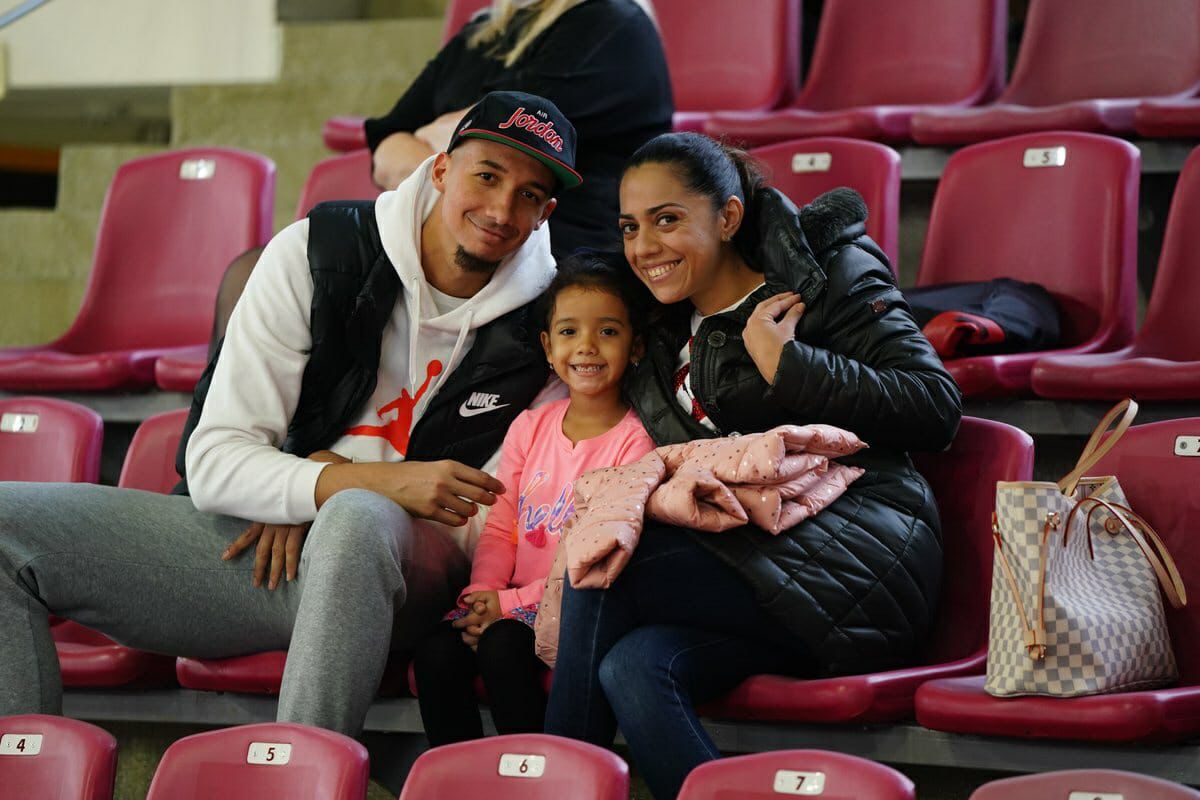
In August 2021, 32-year-old Havana forward Darol Hernandez-Zinenko joined the team of “Tsmoki-Minsk”. Darol started his professional career in Cuba, after which he played in Mexico, Ecuador, Belarusian teams “BSU”, “Grodno-93” and “Borysthenes". At the same time, the basketball player successfully combines a career and the role of a caring family man. Six years ago, the hero of our interview was lucky enough to become a father. Today, April 25, Daughter's Day is celebrated all over the world. We talked with Darol about basketball, life in Belarus and, of course, his main happiness – his daughter Valentina. Watch the highlights of the conversation in our video. The full text of the interview is given below:
Your daughter's name is Valentina – who helped you choose a name?
"I chose that name. I liked it, in everyday life we call our daughter Valya.
Some parents dream that their children will follow in their footsteps. Would you like a sports career for your daughter, or do you see her in another?
— Valya likes basketball, but I think that when she grows up she will decide who she will become in life.
Valya, what would you like to become?
— Basketball coach.
Darol:
– At this age, at 6 years old, she wants to be a basketball coach one day, dance the other. Every day a new profession (laughs).
Darol, do you and your daughter have a special tradition of how you spend time together?
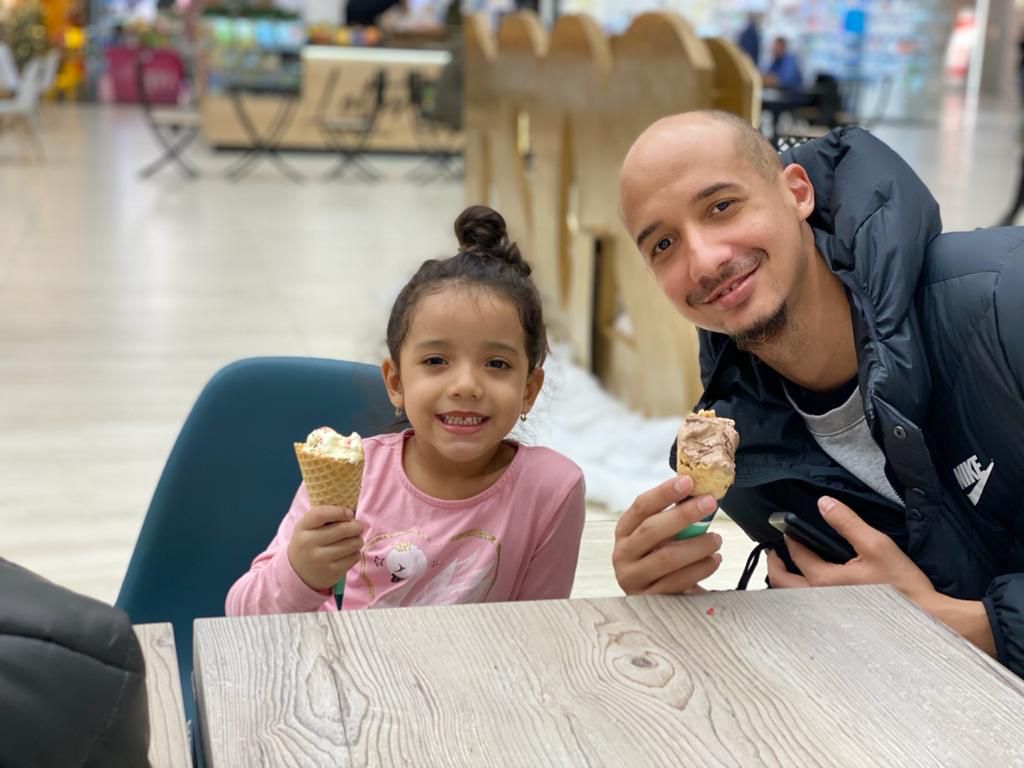
— We really like to fool around, constantly tickling each other. In Ecuador, where we live outside of the playing season, we often go to play basketball together, ride bicycles. Here, in Belarus, it rarely happens, especially in winter, or when the weather is rainy. In Minsk, she goes to kindergarten, swimming pool, parks, walks with her mother. He learns Russian every day. I found myself two friends. (Valya adds): “Karolina and Ksyusha.”
How does your daughter support you at the games?
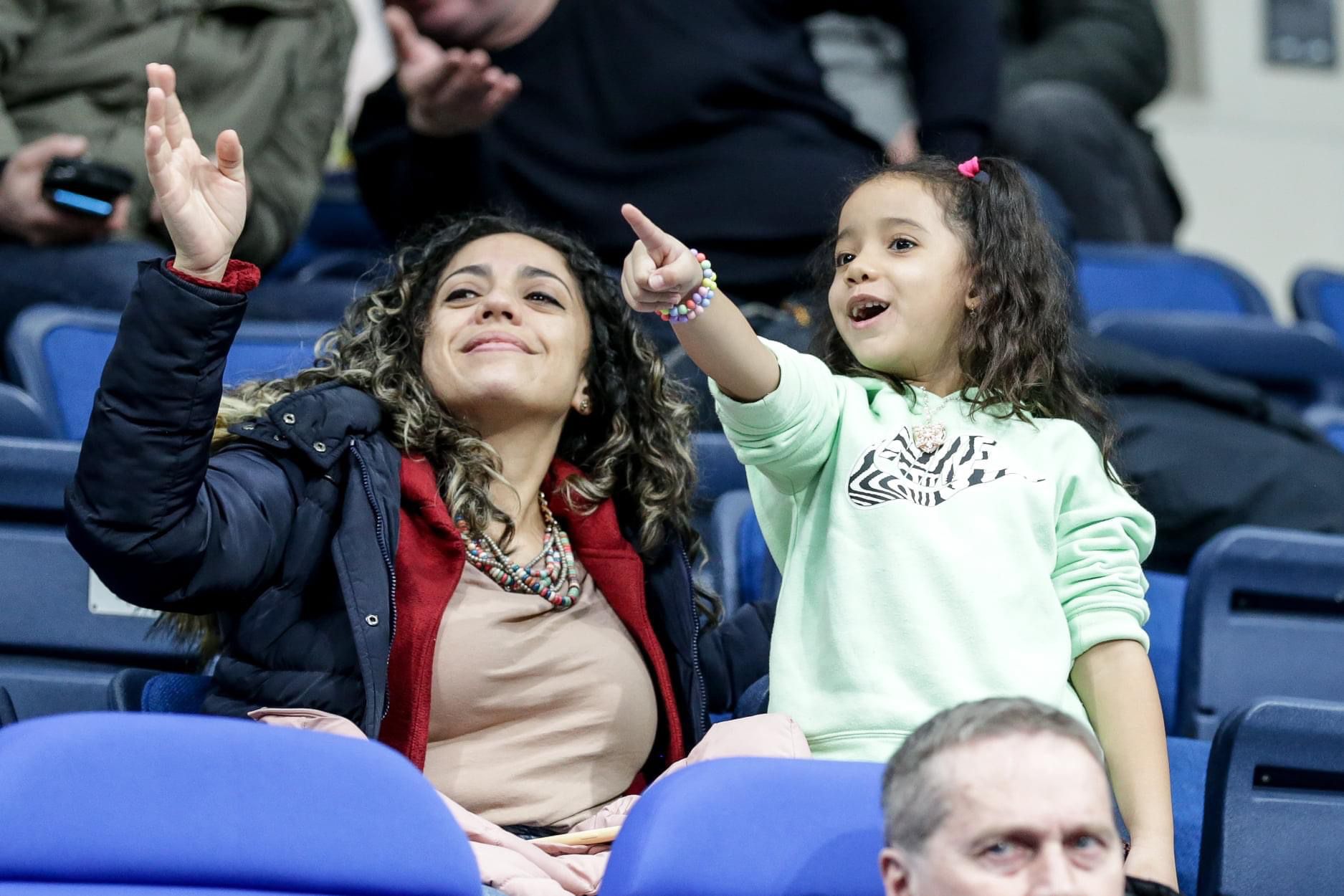
— Her favorite “chants” are “Come on, Dad!” or “Play well!”. And, of course, she knows the name of the team “Tsmoki-Minsk".
Surely, the support of your family also sets you up for the right game. Tell us more about it.
— My wife Sofia and I met in Ecuador, she is from there. While I was playing in this country (National League) in 2012, she came to the matches. We met at one of the games, and then she wrote to me. We immediately started chatting, and then Sofia invited me to take a walk first. That's how our story began.
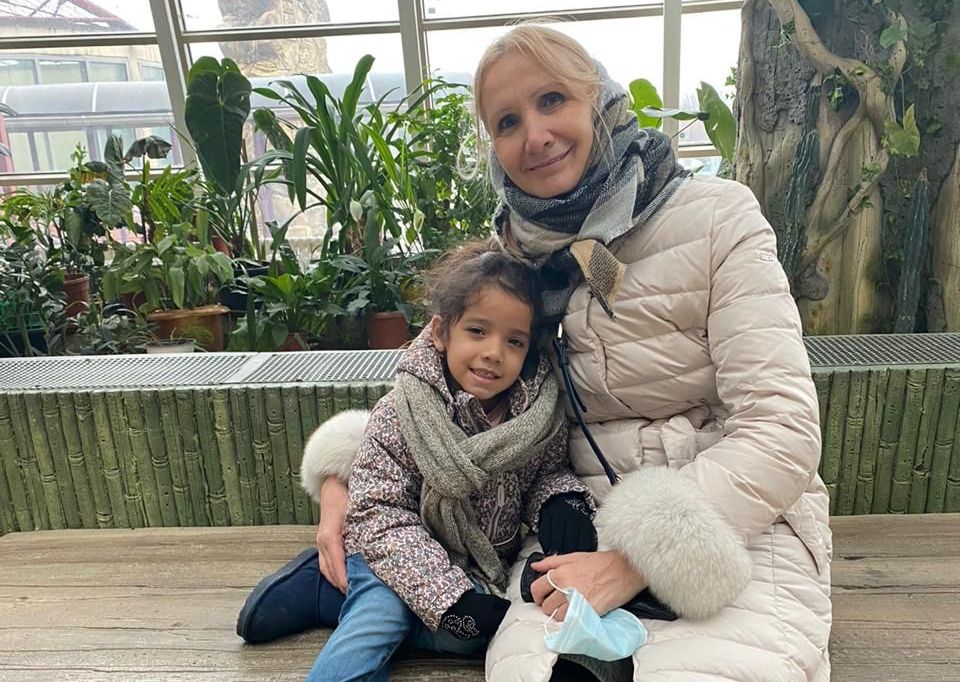
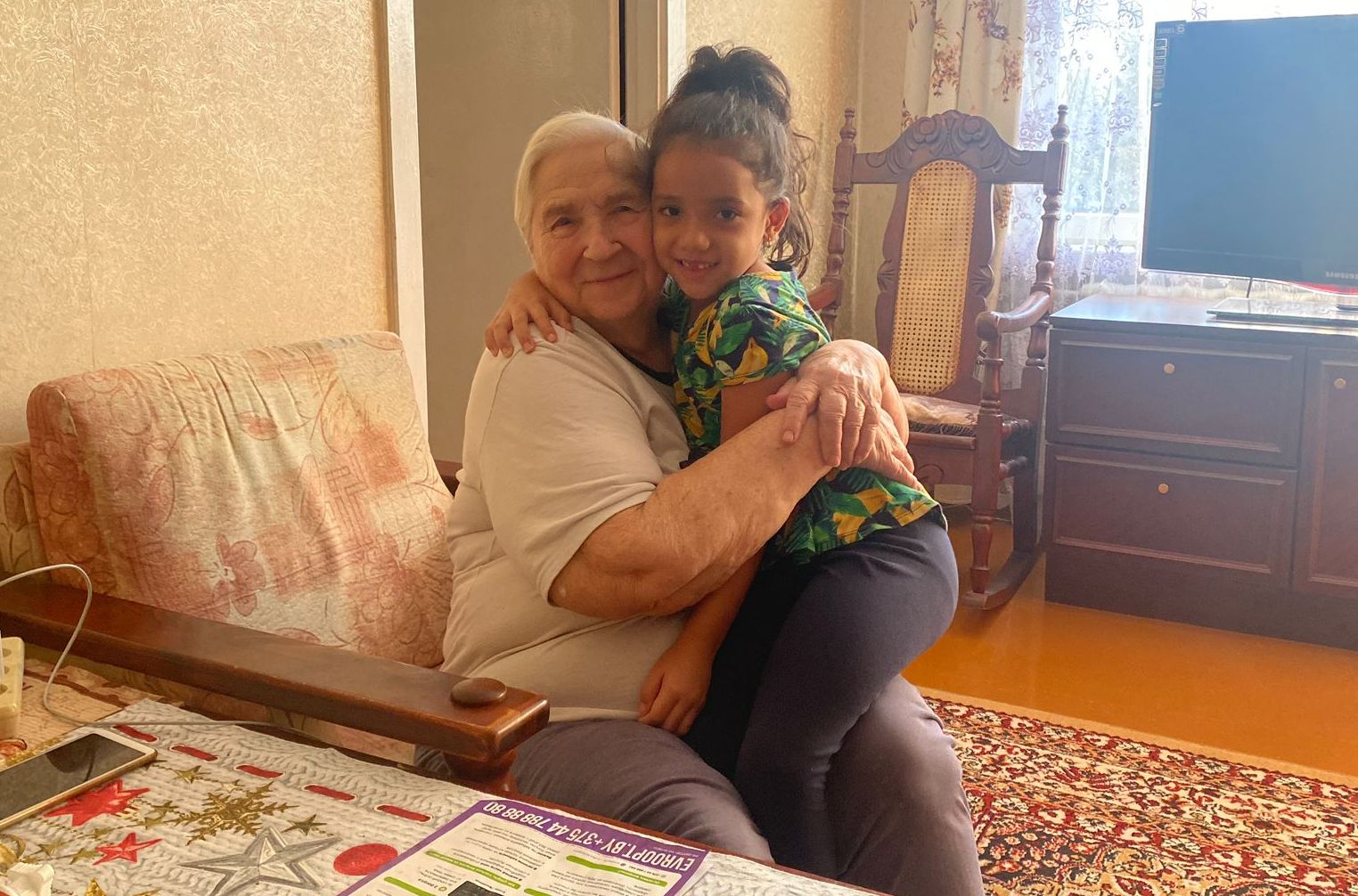
My mother and grandmother are from Belarus, and all my relatives on my father's side are in Cuba. I see my mother, her name is Marina, now almost every weekend. She speaks Spanish very well, and we communicate with her in this language. With my grandmother Svetlana, it's a little more difficult – she doesn't know Spanish, I initially didn't know Russian well, and at first we communicated with the dictionary, showing one translation of the right words to one. Although, with my grandmother, I immediately recognized the phrase in Russian “I want to eat” (laughs). Now we try to leave Valya with my grandmother at least once a week for the whole day, my daughter learns the language with her, and my grandmother cooks her delicious waffle tubes, desserts, which I also love very much.
What Russian words does your daughter know?
Valya lists on russian: “Pear, tomatoes, orange, pineapple".
Your mother is Belarusian – what Belarusian traditions do you have in your family? Maybe you're celebrating Easter?
— We don't have any special traditions — we celebrate holidays, probably, like everyone else — New Year, Christmas. While we are here, we are trying to study Belarusian culture.
Do you know what it is to plant potatoes?
- Yes! And I planted it. My grandmother plants potatoes every year, I helped her. I admit — it's hard, especially when the weather is hot and you need to make a bed. It's much harder than training (laughs).
And what traditions from Cuba did you bring to Belarus on the contrary? Maybe you like to eat national food, or listen to Cuban music?
— Yes, I really like to listen to Latin music, it's not very popular here, I miss it. I immediately remember the sea, where we constantly come to relax and unwind in the summer on vacation. We in the family prefer Italian cuisine, we constantly cook various pastas, meat, salads.
There is a cult of football in Cuba, and you were originally a football player, how and when did you come to basketball?
— As a child, I loved football, and I played it well. But I was different in height from my peers, I was taller. And my uncle said that with such a height I need to play basketball. I tried — I started alternating football and basketball games. Then I realized that I had to choose one thing, and that's how I came to this sport.
Tell us about the beginning of your basketball career — at one time you were among the 20 best young basketball players in Cuba.
— I will always remember this time. At that time I was only 19 years old, and I didn't expect to get into this list at all, and then I got into the top 12 players, for me it was the best recognition.
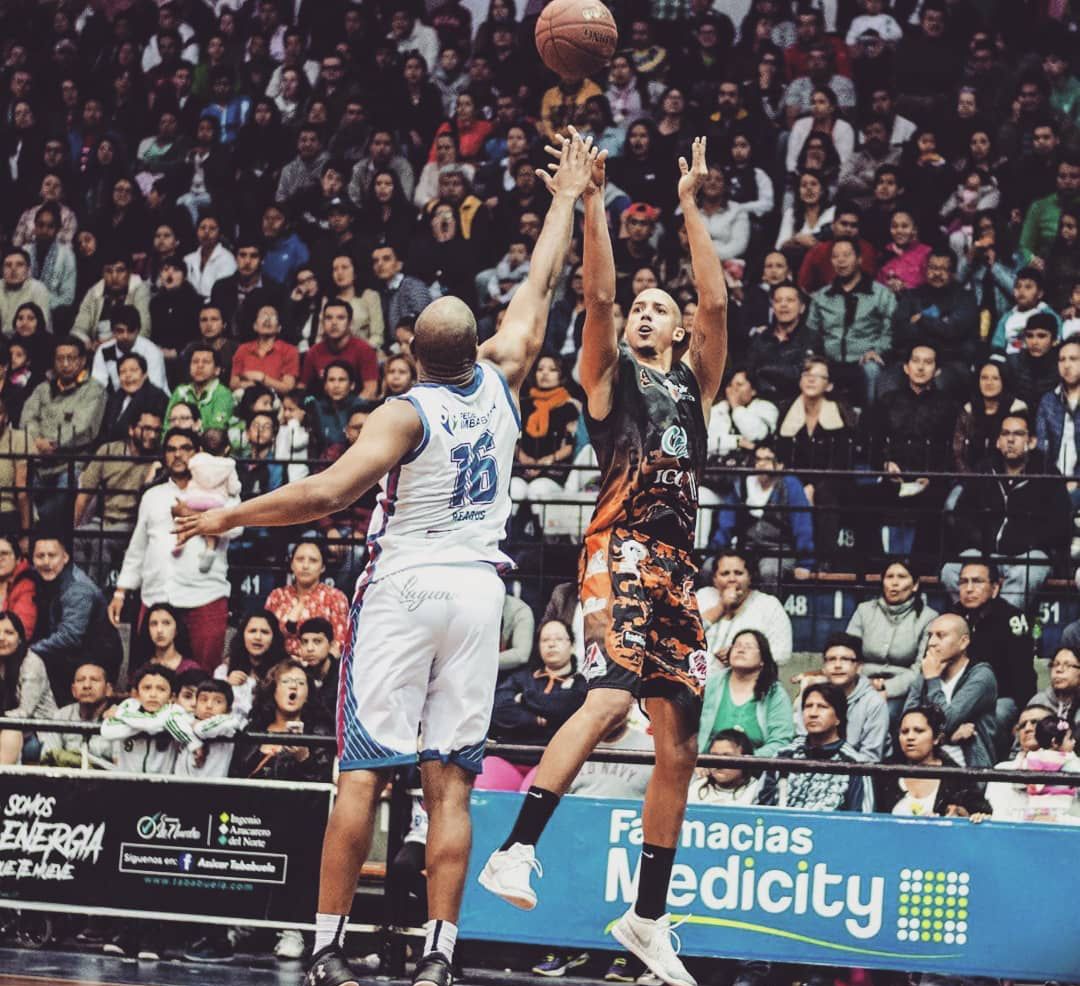
You played in the teams of Cuba, Mexico, Ecuador. How much does Latin American basketball differ from Belarusian basketball?
— I also played in Peru, I wanted to play in Argentina. But I ended up in Belarus. Basketball, of course, is different. I would say that the European style here is closer to me. It's not enough to have only talent, you need to be able to think, reason, and predict what will be best for the team. If, for example, in Cuba they thoughtlessly make at least 30 throws in a row, then here you learn to look for the right moment to throw, interact with the team. I really like this style of play, and I consider it a real basketball.
Share the story of your move to Belarus.
— When I played in Ecuador, there were a lot of difficulties with paperwork. And in many ways, this prevented me from initially getting into those teams where I would like to play first. Due to bureaucratic difficulties, I lost time and did not play basketball, did not train, I was very afraid of losing my skills. At some point I discussed this problem with my mother, and we decided that I could try to come to Belarus. When I came here, without the sports uniform I would like to be in, I was worried that I would not be able to show a decent level of play.
Did you propose your candidacy for the BSU team, or did the university know about your athletic achievements and offered to play for their team?
— In 2014, upon arrival in Belarus, I came to train at the basketball club “Tsmoki”, but again due to the fact that I did not have all the necessary documents, I did not have Belarusian citizenship, there were many difficulties for cooperation. Someone from my friends suggested the option to start with games as part of the BSU team. The university liked my skills right away, I was very quickly accepted into the team. So the BSU team became the first Belarusian team for me. I still remember with warmth both the coaches and the players for helping me adapt and learn the language. I am very grateful to them for this.
As part of the BSU team, you were invited to the “Match of the Stars” – how significant was it for you, describe your impressions.
— I initially thought that I would start in Belarus with a conditional first league. But, as it turned out, I immediately got to a high level, where the best teams of the country play. It was a pleasant shock for me. The highest level of recognition at the moment when you are invited to play with the best basketball players in the country. I would love to take part in the “Match of the Stars” again, if there is such an opportunity. I think basketball fans would also love to attend such an event.
After that, you played for the Grodno-93 and Borysthenes teams for several years. Did you easily find a common language with the Minsk team?
— The most difficult thing for me was to understand the Russian language. I taught him on my own, without courses and textbooks, I took everything by ear and memorized it. More or less started learning Russian and English when he joined the Grodno-93 team. Artem Malkov and Kirill Sitnik taught me how to compose words and sentences correctly. In the same way, they helped me get used to the “Borysthenes”, I received Belarusian citizenship. Here I immediately began to help Lesha Trastsinetski, Vlad Blizniuk, Benjamin Dodoo. In terms of basketball, we played very quickly with the team. The indicator for me was that Rostislav Vergun invited me to join the national team – this is my dream and a big step forward. I waited a long time in Cuba for an invitation to the national team, but it didn't work out there. Here I agreed without hesitation – it's a great honor for me, and such invitations make me really happy.
If you imagine your day off, in which there is no game or training, how do you spend it?
— My main passion is PlayStation! It's just that I can play the console all day — it's like a second child for me. At this time, my wife is doing her own business, my daughter is doing her own, and I'm playing. Of course, I make small pauses to play with Valya, to devote time to my family. I can read books if I'm somewhere on the road, watch TV shows. My wife loves to drink coffee, so we often go to coffee shops, try to visit a new one every time, go shopping.
Basically, the players choose their own number – why did you choose 9?
— March 9th is the happiest day of my life. 09.03.2016 my daughter was born. Therefore, for me the number 9 is very significant.